
Contributing VND 1,474 Billion to the State Budget
The PRIVATE 100 ranking recognizes the 100 private enterprises with the largest state budget contributions in the 2025 fiscal year, featuring prominent corporations across key sectors of the economy.
According to published data, the total budget contribution of the 100 enterprises on the list reached VND 390,700 billion—an increase of VND 146,300 billion (up 60% compared to the previous year), accounting for approximately 14.7% of Vietnam’s total state budget revenue in 2025. These figures underscore the increasingly critical role of the private sector in generating resources for national development.
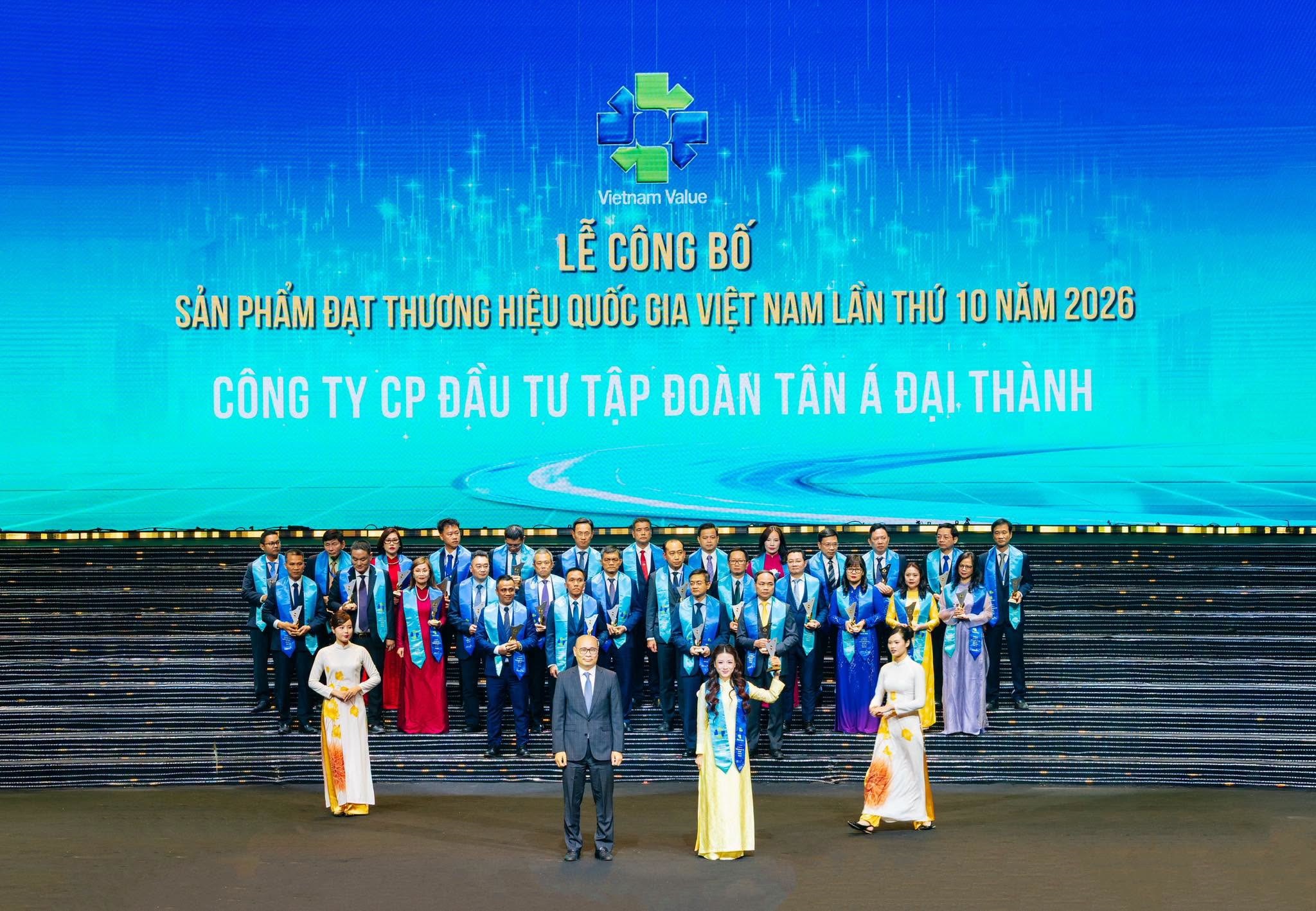
In the ranking, Tan A Dai Thanh Group secured the 39th position with a total contribution of VND 1,474 billion. This stands as one of the Group’s remarkable achievements in 2025, reflecting its scale of operations and substantial contributions to the state budget.
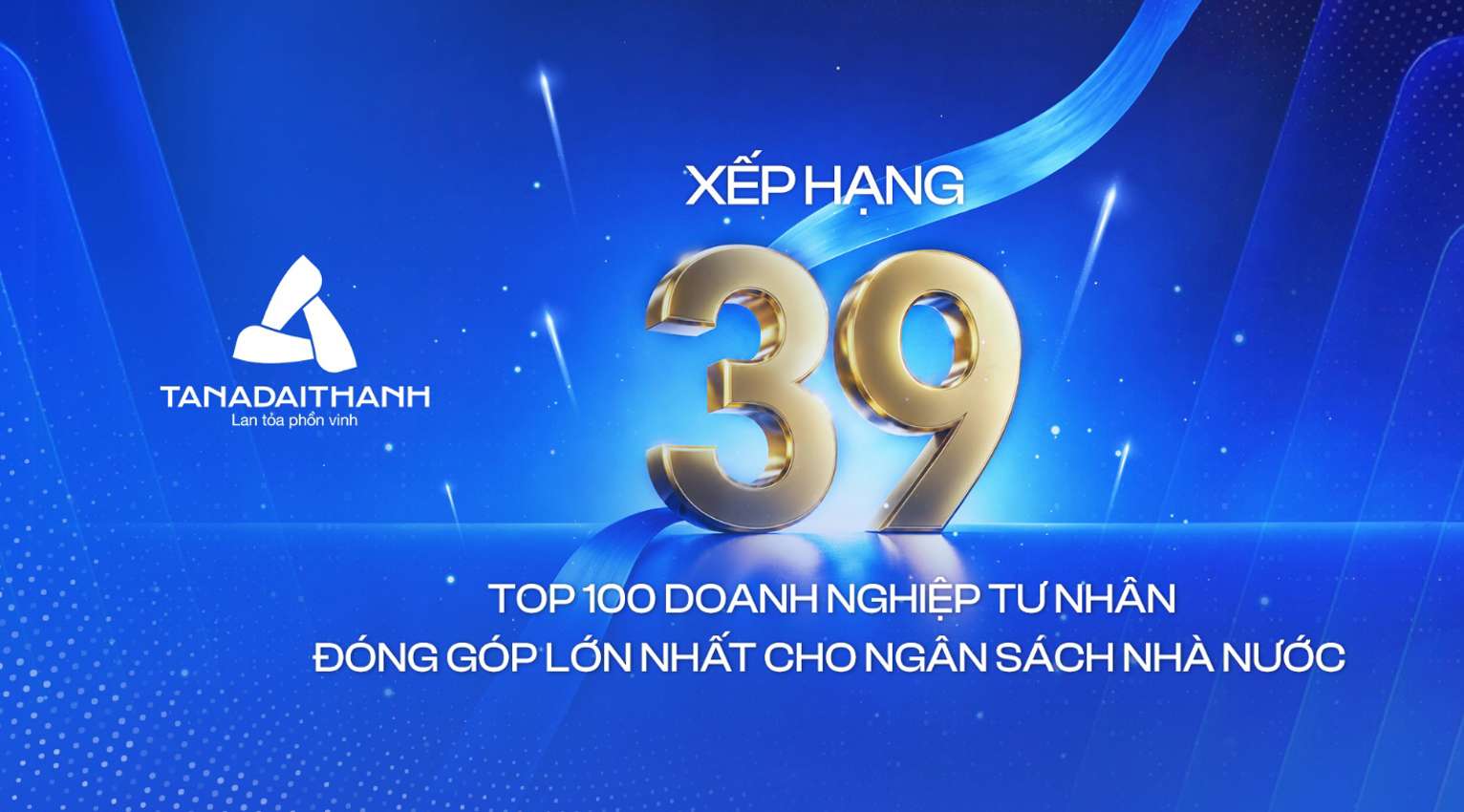
Notably, the group of 20 real estate enterprises in the PRIVATE 100 contributed approximately VND 230,000 billion, equivalent to nearly 9% of total state budget revenue in 2025. Tan A Dai Thanh is also listed among the Top 20 private enterprises in Real Estate & Manufacturing with outstanding contributions.
Beyond individual corporate performance, the PRIVATE 100 highlights the vital role of the private sector in the overall economy. Through capital investment, production, trade, job creation, and fulfilling fiscal duties, the business community continues to fuel resources for socioeconomic growth.
Synergistic Growth Across Three Core Pillars
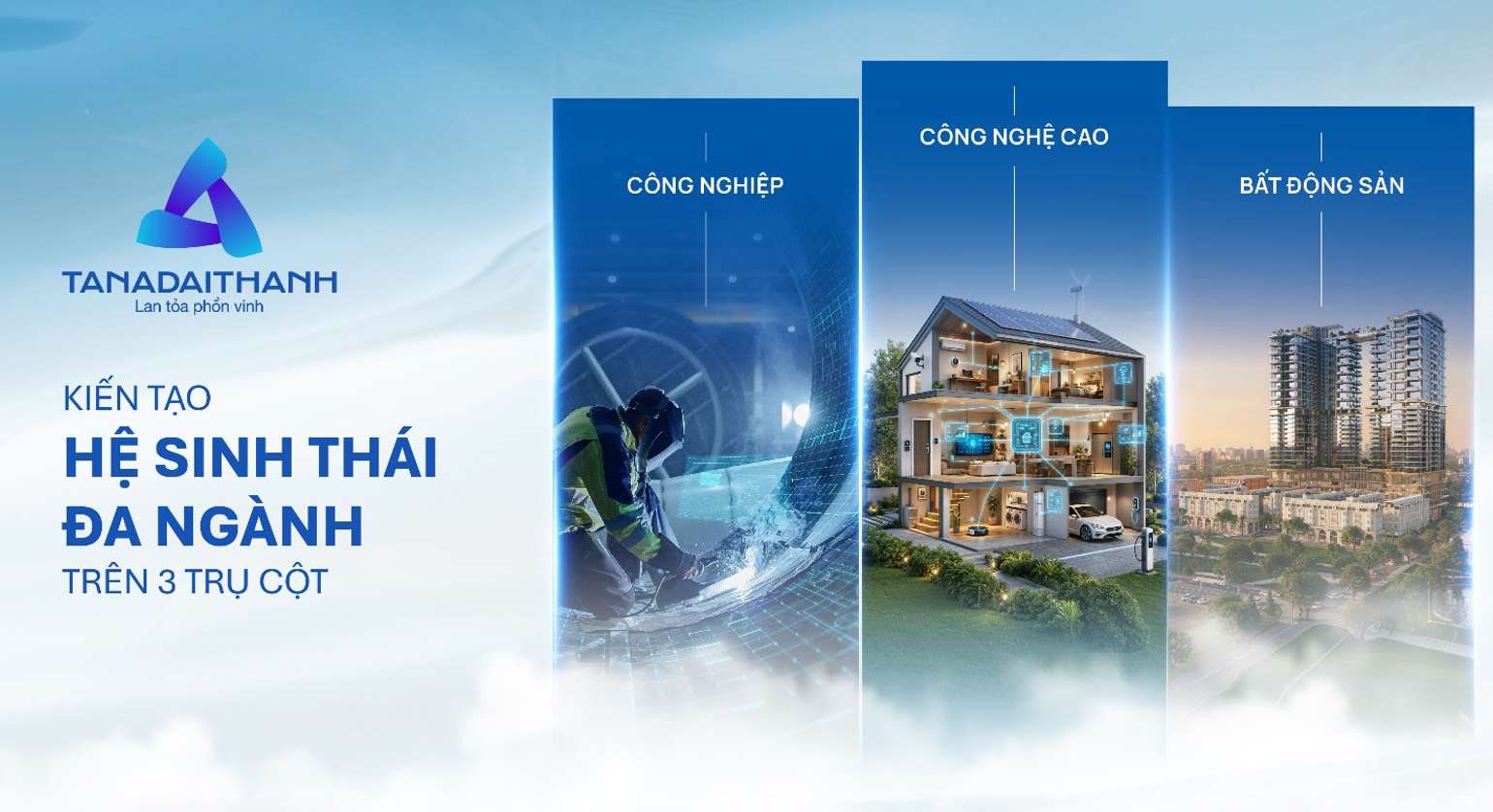
With a track record of over three decades of development, Tan A Dai Thanh has established itself as one of Vietnam’s leading multi-sector corporations, built on three core pillars: Manufacturing & Industry – High Technology – Real Estate. These pillars are developed synergistically, laying a solid foundation for the Group’s long-term growth strategy.
-
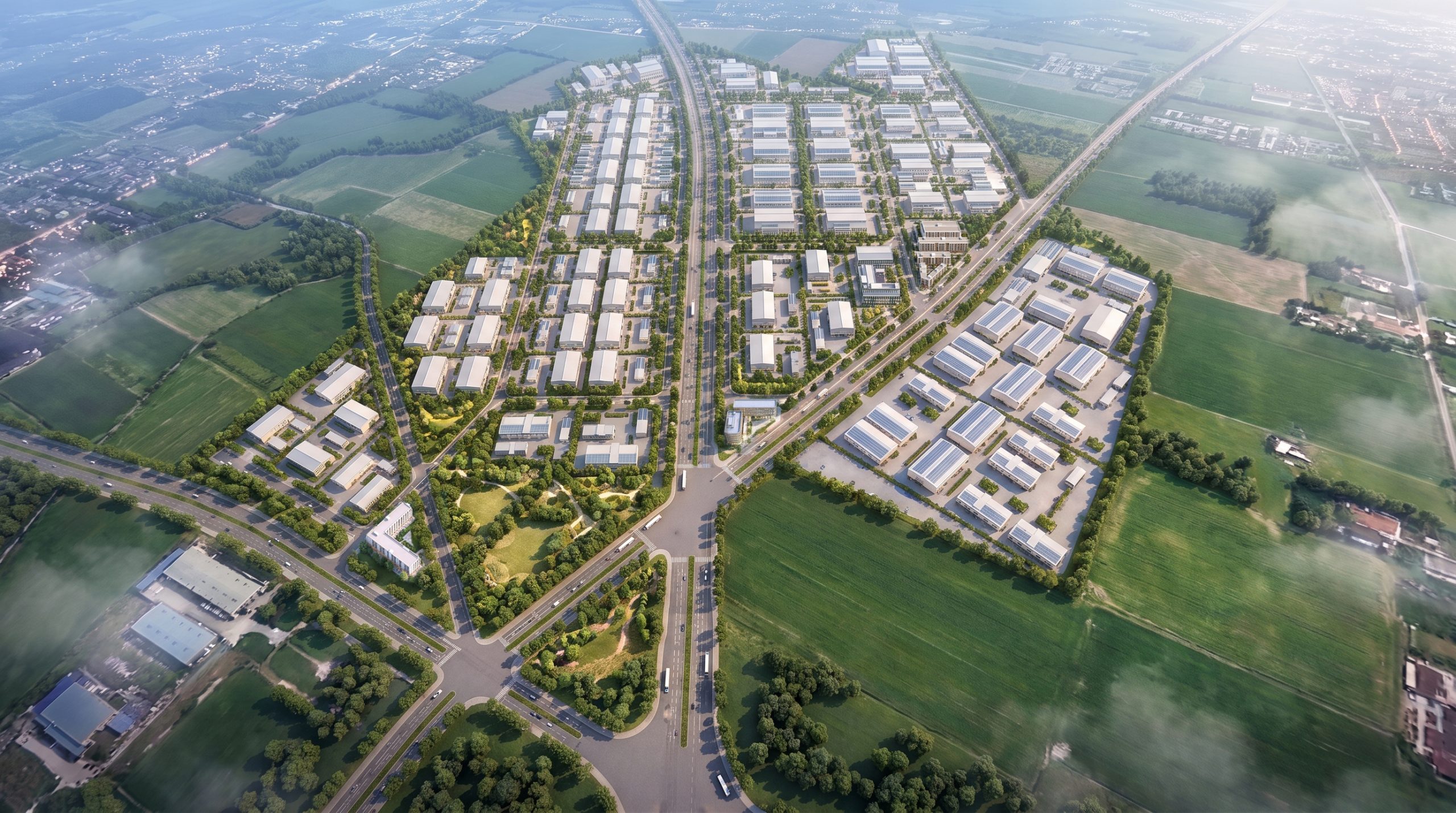
Manufacturing & Industry: Continuing to expand production capacity, elevate product standards, and enhance operational efficiency.
-
High Technology: Focusing on research and the integration of advanced technological solutions to maximize value and streamline operations.
-
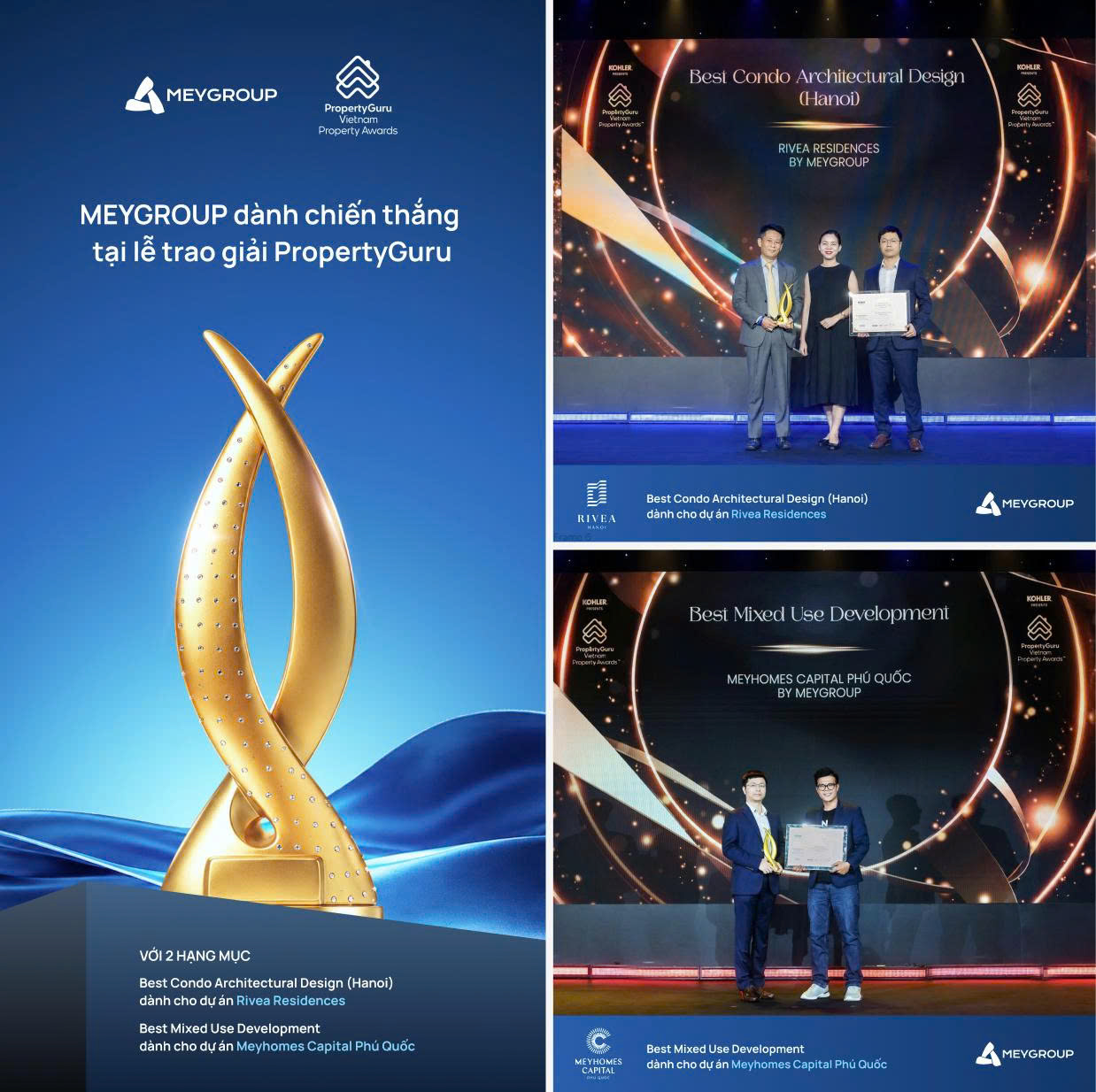
Real Estate: Developed under the MEYGROUP brand, focusing on creating large-scale, master-planned urban developments with integrated amenities and professional operations.
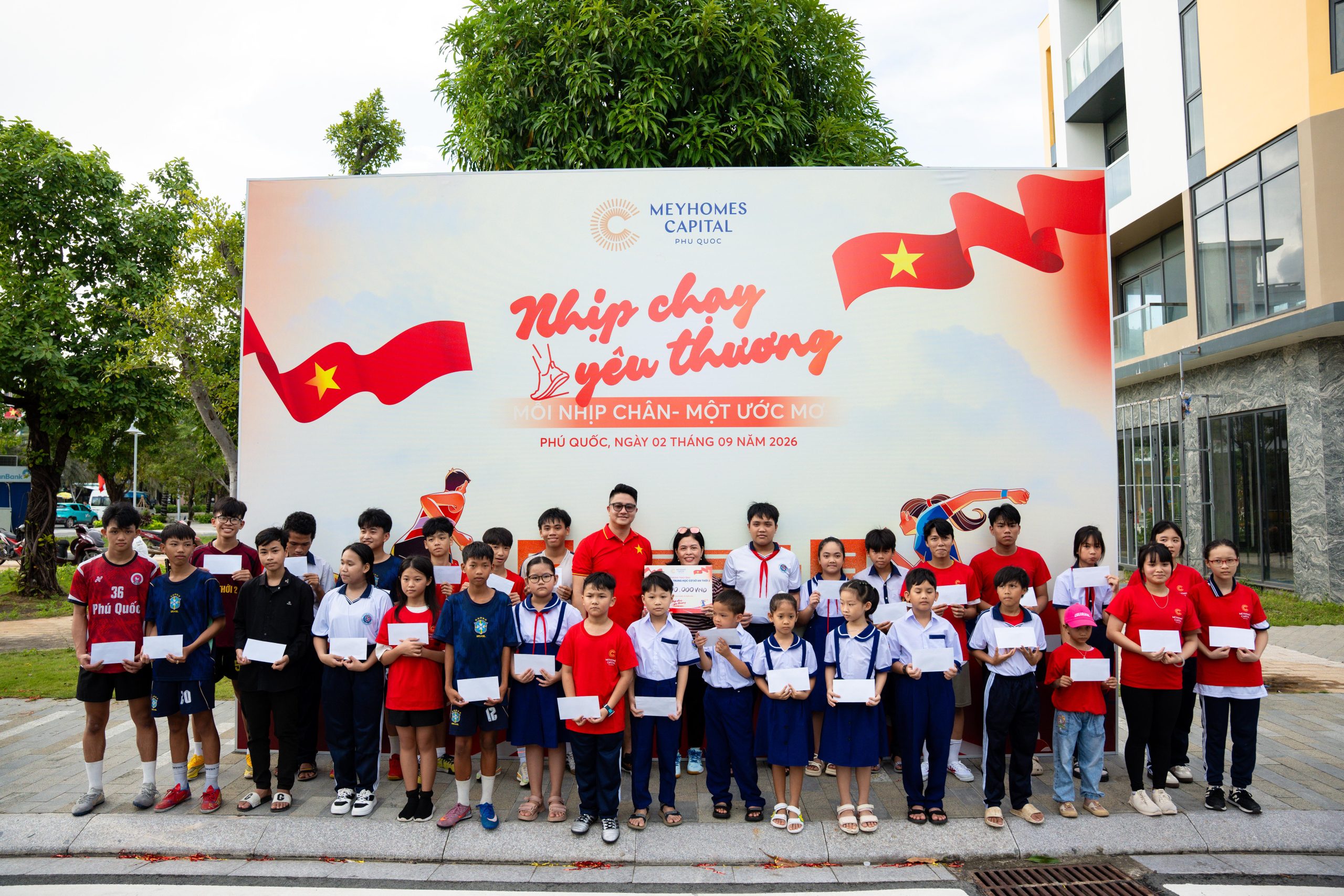
Throughout its development journey, Tan A Dai Thanh remains committed to sustainable growth aligned with corporate social responsibility. The Group continues to enhance operational excellence, accelerate digital transformation, and leverage cross-sector synergies to deliver enduring value to clients, partners, and the community.
Through robust business operations and tangible contributions to the national budget, Tan A Dai Thanh continues to affirm its stature as a leading private corporation, actively partnering in Vietnam’s socioeconomic progress.
Source: Lao Dong Newspaper